MetroMuv
UX and behavioral engagement strategy for a digital mobility product by Metro de Chile. The broader vision: connect transportation, digital payments and Chilean users through a more integrated mobility experience.
What was the challenge?
How might we design a mobility and digital payment experience that reduces the friction of technological adoption and creates the conditions for sustained use and participation?
Digital adoption was not only about learning a new app. It was about helping people feel confident using digital technology for an everyday activity as essential as transportation and payment.
What was the idea?
The strategy did not begin by choosing game mechanics. It began by asking what users needed to feel, what behaviors the experience needed to support and what motivations could make those behaviors meaningful.
This created a direct connection between user context, motivation, game mechanics and UX interventions — a system linking behavior → motivation → mechanic → reward → next behavior, rather than gamification as a generic feature layer.
What was my role?
I led the UX strategy, experience architecture and engagement design. My responsibilities included research synthesis, user and player strategy, journey design, behavioral strategy, gamification strategy, UX recommendations and the definition of the engagement system.
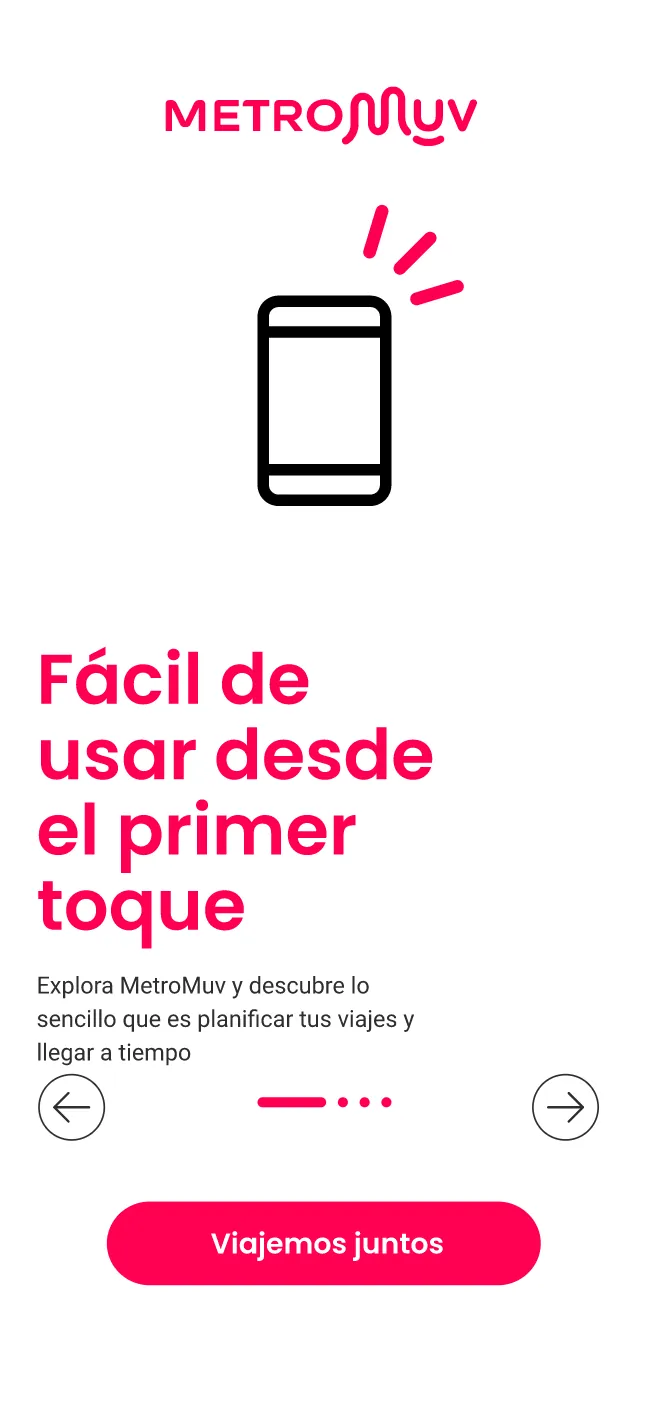
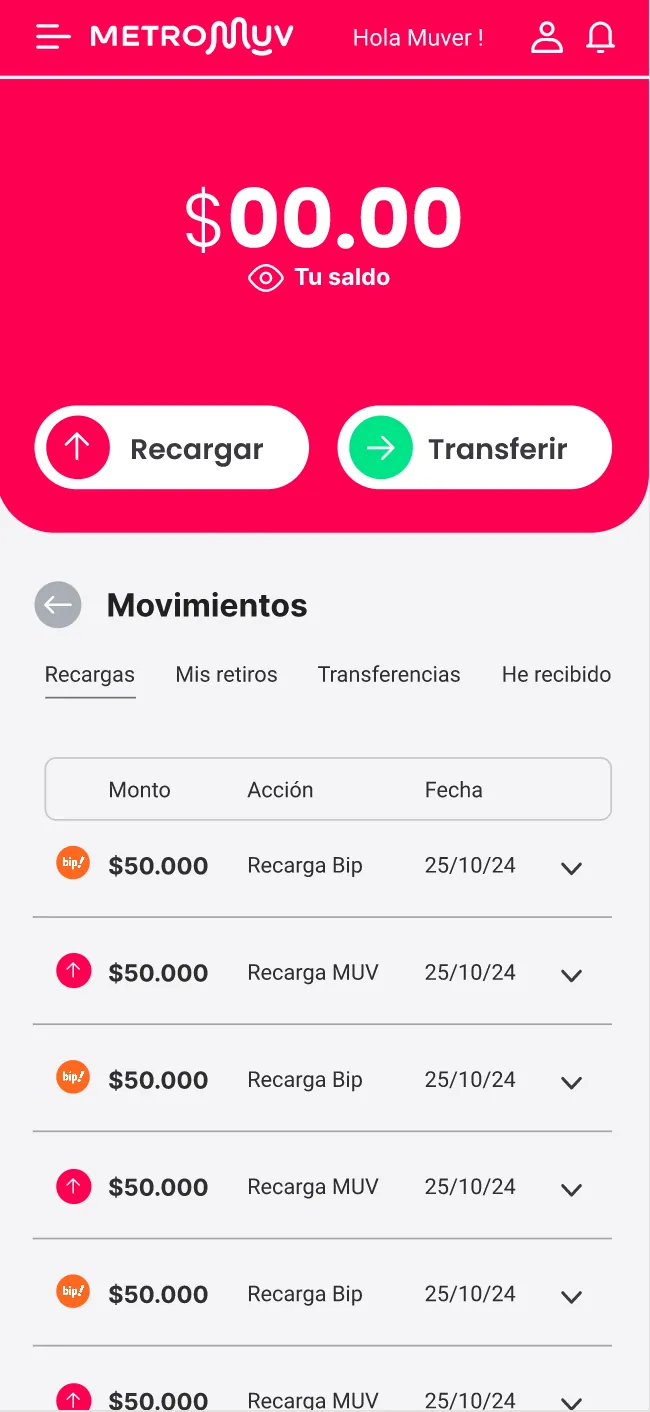
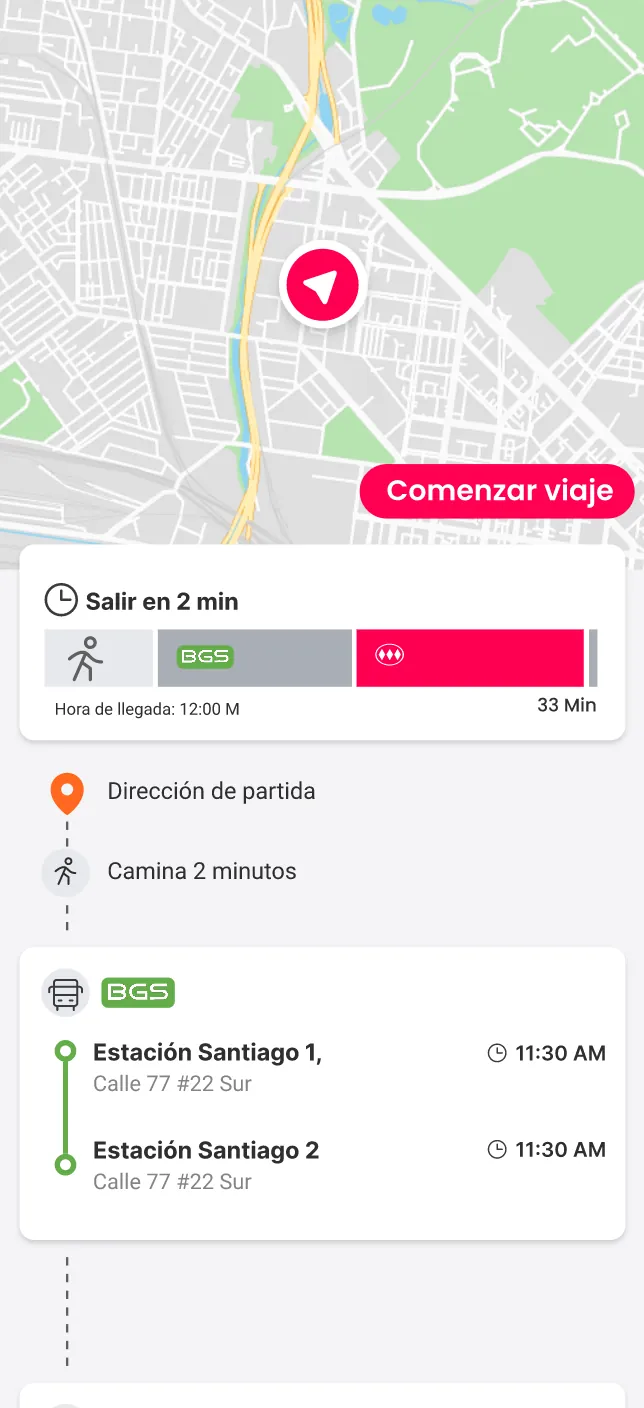
I also led the art direction of the experience, working with a designer who translated the strategic direction into the final visual execution. My role was to ensure that the visual layer supported the experience strategy and created a coherent, approachable and distinctive product language.
How did it come to life?
The strategy combined User Personas with Player Personas — an efficiency-oriented Achiever, a community-oriented Socializer and a curiosity-driven Explorer — and mapped the experience across five moments: Discovery & Awareness, Onboarding, Scaffolding, Usage, and Endgame & Mastery. Each stage had a different behavioral objective.
Gamification was used as a strategic tool, drawing on frameworks such as Octalysis: progressive tutorials, immediate feedback, visual progress, action-based rewards, missions, personalized challenges, unlockable rewards and social invitations. Behavioral design — nudges, heuristics and cognitive biases — informed recommendations like contextual notifications, habit-based reminders, pending rewards and feedback at relevant moments. A measurement framework organized metrics around engagement, participation, progress and completion.
What changed?
The result was an integrated UX and engagement strategy connecting User Research → Personas → Journey → Behavioral Strategy → UX → Gamification → Engagement → Measurement. The proposal transformed the product experience from a collection of functional interactions into a structured journey designed to teach, activate, facilitate, motivate, retain and develop users over time.
The work was delivered as a strategic proposal. Post-launch results were not documented.